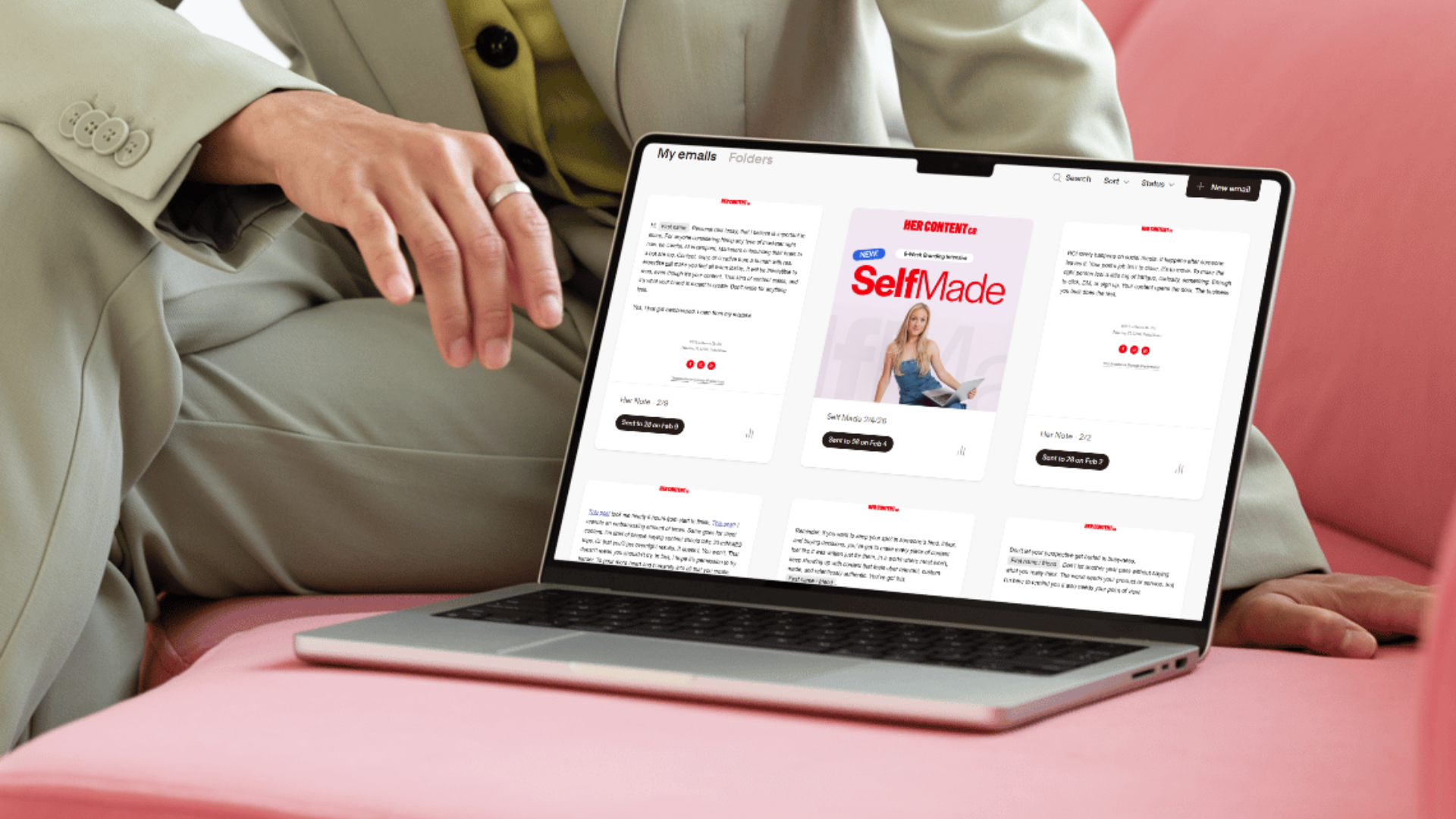
7 Personalized Email Marketing Tips (With Real Examples for Higher ROI)
We’re going to get a little bold and say this: personalized email marketing will make or break your brand’s growth in 2026.
And if you think email marketing is old news? The data begs to differ.
Email still brings an average ROI of $36-$40 for every $1 spent (Omnisend), and the email marketing industry as a whole? It’s projected to reach a whopping $28 billion USD by 2028 (Statista). Now you can see why 87% of polled marketing leaders say email is critical to their revenue (Litmus).
So, despite the stats, why do so many businesses shove email to the back burner? We hate to say it, but we know why. Email campaigns are getting harder.
Why Personalized Email Marketing Matters
Think of your inbox right now. How many marketing emails did you delete today without even reading them?
Now think about the one you opened and clicked. Whether you realized it or not, in one second, targeted email marketing just did its job.
Personalized emails can drive up to 6x higher transaction rates (Campaign Monitor). But it’s not as easy as slapping a {first name} in the subject line and calling it a day. Real personalization goes deeper. It’s crafting messages that feel relevant, timely, and borderline psychic, so your subscribers feel like you’re talking directly to them (even when your entire campaign is automated).
Done right, personalized email marketing doesn’t just boost open rates. It builds loyalty, brings back repeat buyers, and turns your audience into happy customers who actually look forward to hearing from you.
Ready to learn how? ↓
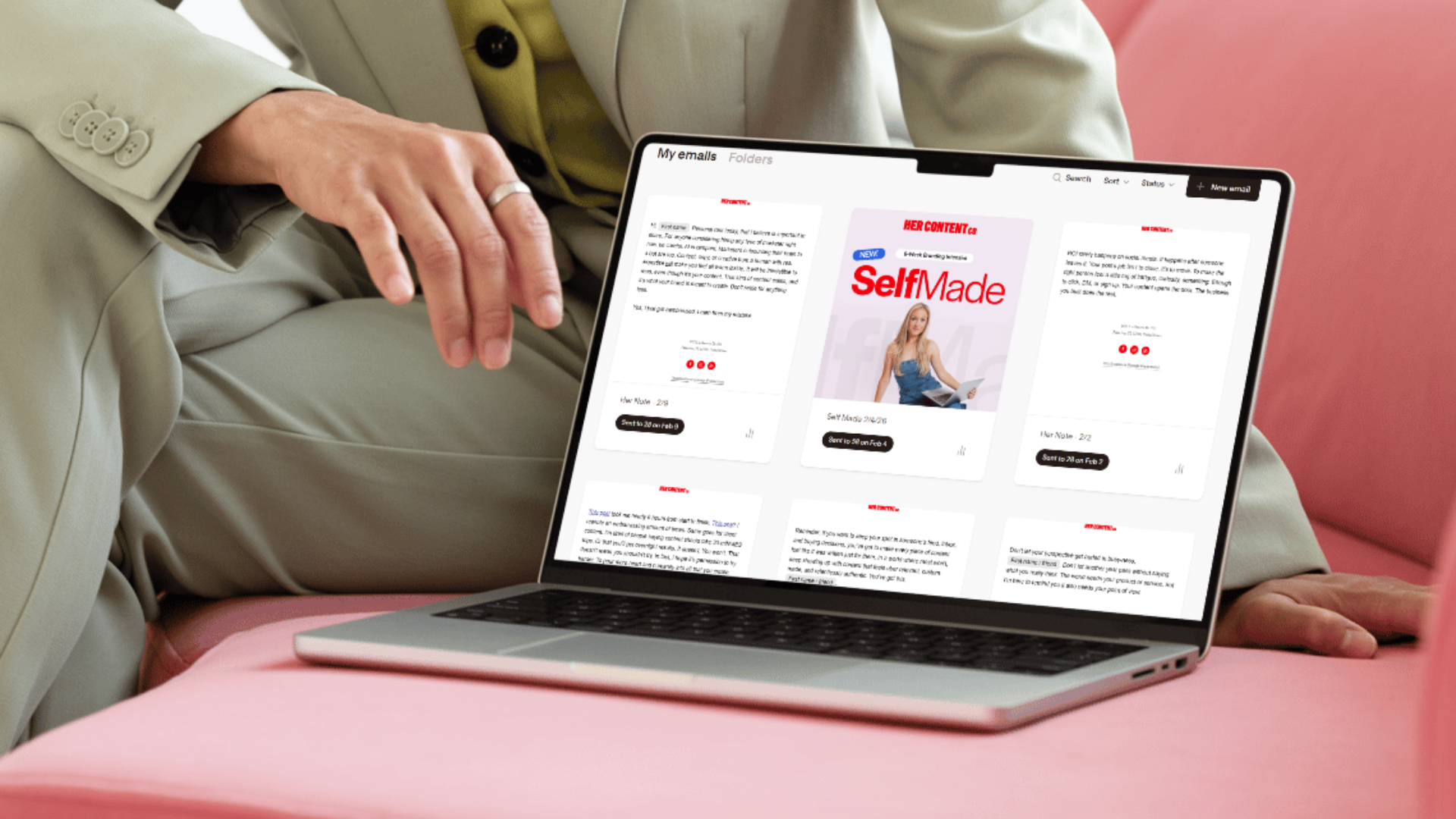
7 Email Marketing Ideas for Personal (and Profitable) Campaigns in the Modern Era
1. Segment, Segment, Segment!
The days of sending one email to your entire list? Dead. Not only can it damage your sender reputation and land you in the spam folder, but it also forces your content to be more generic (aka a huge waste of time).
What to do instead? Segment your list. Email segmentation lets you talk directly to smaller groups of your audience based on what they want, need, or care about, making your emails feel like a one-on-one convo instead of a mass send.
Examples IRL:
→ A doula sends “labor basics” resources to first-time parents and “sibling prep” emails to second-time moms.
→ A clean beauty brand segments customers by purchase history: acne-prone skincare vs. anti-aging solutions.
💡 Try this: Start simple. Segment your list by what makes the most sense for your business, like past purchases, engagement levels, location, or quiz responses.
2. Mirror Their Language
Want one of our biggest secrets to email marketing success? Use your audience’s words, not yours. It’s called message mining, and it’s how you make emails sound like you’re reading their mind.
Why it works: When you reflect back the exact words your audience uses to describe their struggles, goals, or dreams, they feel like you get them and are more likely to trust your solutions.
Examples IRL:
→ A herbal tea company notices customers say “brain fog” instead of “mental fatigue,” so their email subject line becomes: “Brain Fog? Drink This.”
→ A life coach sees clients repeatedly saying they feel “stuck in a rut,” so she uses that exact phrase to inspire her welcome sequence content topics.
💡Try this: Dig into reviews, testimonials, DMs, and customer surveys. Copy-paste their words into a doc. Use them in planning, email copywriting, subject lines, and CTAs
3. Make It Human (Even When It’s Automated)
People want to buy from people, not faceless logos or the mysterious “team” you keep referring to. Even if you’re running automated email marketing, your emails can still feel warm, genuine, and human if you let them.
Automating your emails doesn’t mean they have to feel like they came from a bot! Personalizing them to sound human, warm, and real makes people feel connected. A little bit can go a long way toward building trust and loyalty.
Examples IRL:
→ A sustainable clothing brand sends their welcome sequence from the founder’s name, sharing why she started the business and her personal favorite picks from each collection.
→ A matcha brand sends an abandoned cart follow-up from their product specialists, not “the XYZ team” and shares a bit of info about why she loves the product they almost bought.
💡 Try this: Sign every email from a real person. Share quick stories, personal opinions, brand values, or founder insights. Keep it conversational!
4. Personalize Timing and Triggers
Personalization isn’t just about what you say! It’s also about when you send emails. The best emails show up right when your subscriber needs them.
Behavior-triggered emails feel personal because they’re sent in direct response to something your subscriber did (or didn’t) do. Like you anticipated what your reader needed before they did!
Examples IRL:
→ A women’s retreat leader notices someone downloaded a mindfulness workbook and follows up two days later with a discount for her next retreat.
→ A yoga studio sends a reminder the night before a booked class and suggests their next booking based on the type of class they’ve chosen already.
💡 Try this: Pick one behavior you can track—like a download, a cart abandonment, or a page view—and follow up with something helpful or relevant.
5. Recommend Based on Relevancy
Your subscribers don’t all want the same thing. So why send them the same email? Sending relevant content makes all the difference between a click to the trash folder and a click to your site. And nothing tanks an open rate like an email that feels entirely nonessential to the lives of your audience, even if they already love your brand!
Examples IRL:
→ A pet brand recommends different products to dog owners vs. cat owners.
→ A nutritionist offers meal plans tailored to someone’s quiz answer: weight loss, hormone balance, or gut health.
💡 Try this: Most email marketing platforms let you tag subscribers based on quiz answers, downloads, or clicks, so you can customize future email campaigns.
6. Play With Interactive Content
In 2026, it’s almost too easy to add engaging, data-driven features using built-in tools from your email service provider (ESP). From polls to quizzes, interactivity makes your emails feel like a two-way conversation. Everyone from Klayvio to Active Campaign to Flodesk offers something of the sort.
You can even straight up tell your reader, “hey! I don’t want to bother you with emails if you don’t need them. What are you looking for?” Yep, it can be that easy.
Examples IRL:
→ A skincare brand sends out a quiz: “Which routine is right for your skin type?” It’s fun for subscribers and perfect for future segmentation.
→ A content marketing agency runs a poll: “Which platform is your biggest headache right now?” And uses the results to tailor future content.
💡 Try this: Use polls, quizzes, clickable images, or even “reply and tell me” CTAs to boost email engagement and collect valuable insights
7. Test Everything and Keep Evolving
Even the best email strategies are just a guess until you test them. While best practices give you a starting point, the brands that see results are the ones that keep experimenting.
Subject lines, CTAs, send times, content formats…every variable is worth testing. Because the only way to know what actually works for your audience is to test your email marketing and evolve based on real data.
Examples IRL:
→ A fitness app A/B tests subject lines: “Your new workout plan” vs. “We created this for you, [Name].”
→ A hormone health expert tests sending emails at 6 am vs. 6 pm to see when busy moms engage more.
💡 Try this: Don’t test everything at once. Pick one variable (subject lines, send times, CTAs, or personalized messaging) and track the impact.
The Future of Email Marketing is Personal (and Profitable)
There’s no ifs, ands, or buts about it, email marketing is changing. Your people can spot mass sales emails and clickbaity content a mile away. They’re smarter, savvier, and honestly more conscious-driven than ever before, but that doesn’t mean they aren’t willing to spend their hard-earned cash on brands they believe in.
If you want to keep your spot in someone’s inbox (and their buying decisions), you’ve got to make every email feel like it was written just for them. Personalization is how you stand out in a world where marketing is everywhere we look. It’s how you prove you’re paying attention to their needs. And it’s how you build a brand people stick with, through every launch, pivot, and new offer.
We believe the brands that win in 2026 won’t just sell. They’ll connect. They’ll listen. And they’ll keep showing up with content that feels uber relevant, custom-made, and relentlessly authentic.
Want a team that makes sure personalized email marketing is finally a priority for your business?